Living in Valencia, Spain as an American: cost of living, neighborhoods and daily life
Get a realistic monthly budget for Valencia, the neighborhoods to look at first, and an honest view of what has changed as the city grew popular.
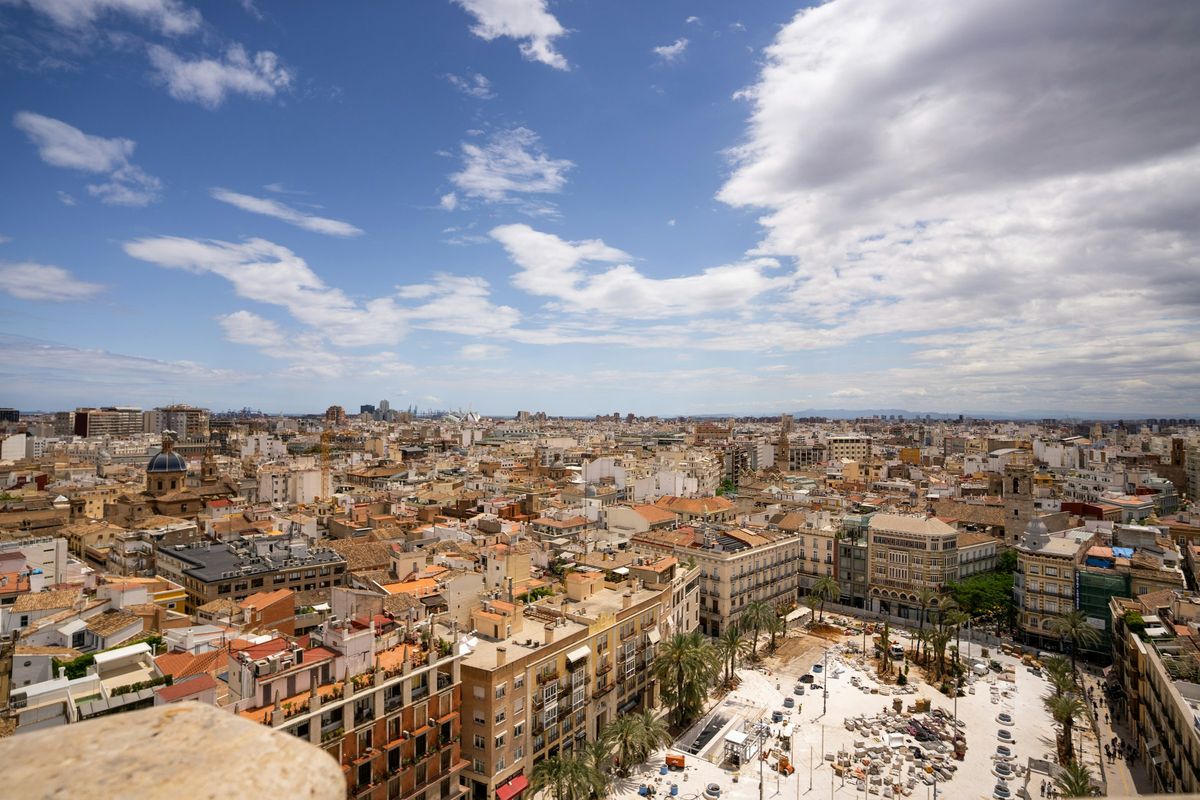
A couple can live in Valencia on roughly €1,950 to €3,400 a month including rent (about $2,250 to $3,900), noticeably less than in Madrid or Barcelona. Spain’s third-largest city is flat, easy to walk and cycle, and on the sea, which is why so many Americans have chosen it and why its rents have climbed.
| Monthly cost for a couple | Estimate |
|---|---|
| Rent, one- or two-bedroom in a central area | €1,000 to €1,600 (about $1,150 to $1,850) |
| Electricity, gas and water | €90 to €170 |
| Internet and two cell phone plans | €50 to €80 |
| Groceries | €400 to €580 |
| Eating out and leisure | €250 to €500 |
| Public transport, two passes | €30 to €80 |
| Private health insurance, two people | €120 to €400 |
| Total | €1,950 to €3,400 (about $2,250 to $3,900) |
These figures are estimates for early planning. Dollar amounts assume roughly $1.15 to the euro, and that rate moves. A single person typically spends about two-thirds of a couple’s budget. Check current listings before you rely on the rent figures.
| At a glance | Valencia |
|---|---|
| Climate | Mild, sunny winters with highs around 61 to 64°F (16 to 18°C); hot, humid summers around 86 to 90°F (30 to 32°C); storm risk in the fall |
| Nearest international airport | Valencia, about 5 miles (8 kilometers) from the center, with European routes and no regular direct US flights |
| Hospitals | Large public hospitals, including La Fe, and several private ones with English-speaking doctors |
| Typical rent | €1,000 to €1,600 a month in a central area (about $1,150 to $1,850) |
| Foreign community | Large and growing fast, with one of the biggest American groups in Spain outside Madrid and Barcelona |
| Language | Spanish in daily life. Valencian is also official and used in schools and government |
What things cost day to day
- A room in a shared apartment: roughly €350 to €550 a month.
- A weekday set lunch (menú del día): about €12 to €16.
- Coffee: about €1.50 to €2.20. A beer costs about €2 to €3.50.
- A monthly transport pass has cost roughly €20 to €40, depending on the public subsidies in force that year.
- A gym membership: about €30 to €50 a month.
See the cost of living in Spain for how Valencia compares with other cities.
Neighborhoods
| Neighborhood | What it’s like | Rent level |
|---|---|---|
| Ruzafa | The best-known area among foreigners: cafés, restaurants and nightlife in a tight grid of streets. Lively and loud | High |
| Old town (Ciutat Vella, including El Carmen) | Medieval streets, the cathedral and the central market. Tourists by day, bars by night | High |
| Eixample and Gran Vía | Elegant apartment buildings on wide streets next to the center | High |
| El Cabanyal | The old fishing quarter by the beach, with low tiled houses and fast-rising prices | Medium to high |
| Benimaclet | A former village with a student population and a neighborhood feel | Medium |
| Campanar | Modern apartment blocks with elevators, parking and pools, popular with families | Medium |
| Patraix and Jesús | Everyday residential districts with few foreigners and lower rents | Lower |
Families who want a house and a yard look at towns such as L’Eliana, Bétera, Rocafort and Godella, about 6 to 12 miles (10 to 20 kilometers) northwest of the city, where several international schools are. See schools in Spain.
The wider Valencia region
| Place | What it’s like | Rent level |
|---|---|---|
| Suburban towns (L’Eliana, Bétera, Rocafort, Godella) | Houses with yards near the international schools, some on the metro | Medium to high |
| Sagunto and the coast to the north | A historic town and beach districts about 19 miles (30 kilometers) north, on the commuter train | Lower |
| Gandía | A beach town about 43 miles (70 kilometers) south, busy in summer and quiet in winter | Lower |
| Castellón de la Plana | A smaller provincial capital about 45 miles (72 kilometers) north, with few foreigners and low rents | Lower |
| Alicante and the Costa Blanca | The coast of the next province south, from Dénia to Torrevieja, with a very large foreign community. See living in Alicante and the Costa Blanca | Lower to medium |
The whole region shares the same tax rules and school language policy.
The rental market
Valencia has become one of the most popular cities in Spain for American movers, and housing shows it. Rents have risen sharply in a few years, long-term listings are scarce, and many owners prefer seasonal contracts or tourist rentals. Expect competition for good apartments, and plan for a month of temporary housing while you look in person. See renting in Spain.
Many apartments have no central heating, and those in older buildings may have no elevator. Air conditioning matters here more than heating.
Climate and flood risk
- Summer is hot and humid, with highs around 86 to 90°F (30 to 32°C) in July and August and warm nights.
- Winter is mild and sunny, with daytime highs around 61 to 64°F (16 to 18°C). Homes can feel cold indoors because few are heated.
- Fall brings the risk of sudden, intense storms. In October 2024 flash floods killed more than 200 people in towns just south and west of the city. The city center was largely spared because its river was diverted decades ago.
If you are looking at homes in the surrounding towns, ask about flood history and check the official flood maps before you sign.
Getting around and getting home
The old riverbed is now a park that runs about 5.5 miles (9 kilometers) through the city, and you can cross most of Valencia on foot or by bike on level ground. The metro, trams and buses cover the rest, and the city beach is about 3 miles (5 kilometers) from the old town.
Valencia’s airport is about 5 miles (8 kilometers) from the center and on the metro. It has many European routes and has had no regular direct flights to the US, so trips home connect through Madrid or another European hub. Check current schedules, because routes change. High-speed trains reach Madrid in under two hours. Barcelona is about 220 miles (350 kilometers) north, roughly three hours by train.
Language
Spanish is what you hear in most of the city. Valencian is the region’s second official language and appears on signs and in government. Public schools teach in a mix of Valencian and Spanish that varies by school. English is spoken in the areas where foreigners live and much less elsewhere.
Healthcare and safety
Valencia has large public hospitals and several private ones, with English-speaking doctors in the private sector. Which system you can use depends on how you are resident. See healthcare in Spain.
Violent crime is low. Petty theft happens in the old town and at the beach, and less often than in Barcelona or Madrid.
Things people don’t expect
- Fallas. For about three weeks in March, and above all from the 15th to the 19th, the city fills with fireworks, street closures and crowds. Some residents love it, and some leave town.
- Noise. Street life runs late, and bedrooms facing the street in Ruzafa and the old town are loud.
- Waits for paperwork. Appointments for resident cards have been hard to get. See NIE, TIE and empadronamiento.
- Tax. The Valencia region applies the wealth tax and has higher income tax rates than Madrid. See taxes in Spain.
Who Valencia suits
- A good fit: retirees and remote workers who want sea, sun and a city on a human scale, and families happy with a smaller choice of international schools.
- A harder fit: frequent flyers to the US, people who dislike humidity, and anyone expecting the low prices of five years ago.
How people usually start
- Visit outside spring and early fall. August shows you the humidity, and January shows you an unheated apartment.
- Rent before you buy. Take temporary housing for a month and look for a long-term lease in person. When you are ready, see buying property in Spain.
- Settle your residency route first. Retirees usually apply for the non-lucrative visa and remote workers for the digital nomad visa. Spain residency requirements compares them.
For a bigger city, compare Madrid and Barcelona. Alicante and the Costa Blanca, on the coast to the south, are cheaper and quieter, and ferries from Valencia reach Mallorca. The best places to live in Spain covers every region, and a local real estate agent can help you find a rental.
Common questions
How much does it cost to live in Valencia, Spain?
The cost of living in Valencia, Spain for a couple is roughly €1,950 to €3,400 a month including rent (about $2,250 to $3,900), and a single person spends about two-thirds of that. Rent for a one- or two-bedroom apartment in a central area runs roughly €1,000 to €1,600. These are estimates.
Is Valencia cheaper than Barcelona and Madrid?
Yes. Valencia is cheaper than Barcelona and Madrid mainly because of rent, which on our estimates runs roughly a fifth to a quarter lower for a similar apartment. The gap has narrowed, because rents in Valencia have risen quickly as the city became popular with foreign residents.
Is Valencia, Spain a good place to live for Americans?
Valencia suits Americans who want a mid-sized, flat, walkable city on the Mediterranean with mild winters and lower costs than Madrid or Barcelona. The drawbacks of living in Valencia are a tight rental market, humid summers, no regular direct flights to the US and a risk of severe storms in the fall.
Do I need to speak Valencian to live in Valencia?
No. Spanish is the main language of daily life in the city of Valencia. Valencian, which is closely related to Catalan, is the region's second official language and is used in public schools and regional government, so it matters most for families with children in local schools.
Sources
This page is general information, not professional advice. Rules and amounts change, and officials apply them differently. Confirm the details with the relevant authority or a qualified professional before you act on them.