Living in Mallorca and the Balearic Islands as an American: cost of living, towns and daily life
See what island life costs in Mallorca, Ibiza and Menorca, which part of Mallorca fits you, and how a year there differs from a summer vacation.
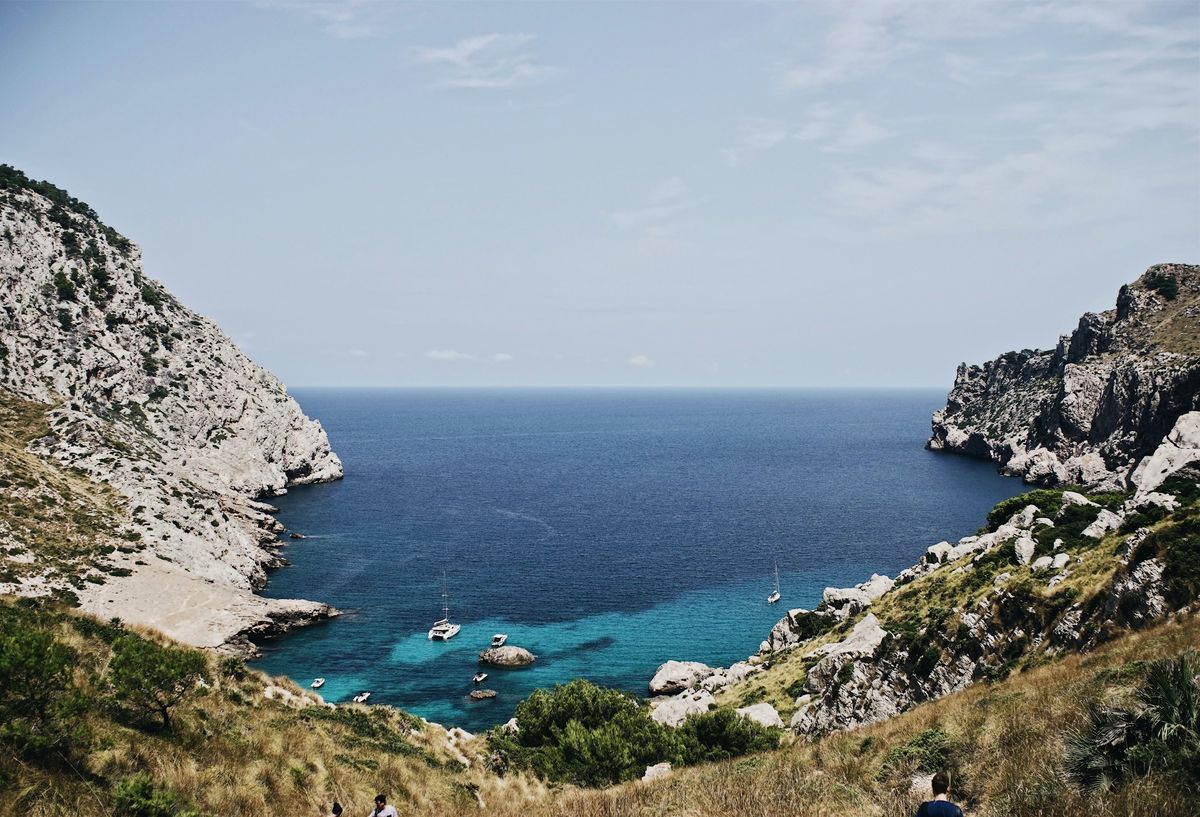
Living in Mallorca gives you a lively small city in Palma, mountains and coves within an hour’s drive, and one of the best-connected airports in Europe. It suits people with a comfortable budget who want island life with city services, and a couple should plan on roughly €2,300 to €4,000 a month including rent (about $2,650 to $4,600).
| At a glance | Mallorca and the Balearic Islands |
|---|---|
| Climate | Summer highs around 86 to 88°F (30 to 31°C) and humid. Winters are mild and damp, with highs around 59 to 61°F (15 to 16°C) |
| Nearest international airport | Palma de Mallorca, about 5 miles (8 kilometers) from the city. Very busy in summer; US flights have been limited and seasonal |
| Hospitals | Large public hospitals in Palma, smaller ones in Inca and Manacor, and several private hospitals that work in English and German |
| Typical rent | €1,200 to €2,000 a month in Palma (about $1,400 to $2,300); more on the southwest coast and in Ibiza |
| Foreign community | Large and long established, mainly German and British, with other Europeans and a small American group |
| Language | Spanish and Catalan are both official. English and German are widely spoken in the foreign areas |
All costs on this page are estimates for early planning. Dollar amounts assume roughly $1.15 to the euro, and that rate moves.
Most searches for Mallorca and the Balearic Islands come from vacationers. This page is about living there all year. The Canary Islands are a different place with a different climate, covered in living in the Canary Islands.
Who it suits, and who it doesn’t
- A good fit: well-funded retirees and remote workers, sailors, cyclists and hikers, and families who want international schools and can pay for them.
- A harder fit: people on a modest fixed income, anyone who needs a local job outside tourism, and people who would find a small island confining in February.
The islands and where people live
| Place | What it’s like | Rent level |
|---|---|---|
| Palma: old town and Santa Catalina | A real city of about 400,000 with a cathedral, markets and restaurants open all year | High |
| Palma: Portixol and El Molinar | Former fishing districts on the seafront east of the center, now among the most sought-after | Highest |
| Southwest Mallorca (Calvià and Andratx) | Portals Nous, Santa Ponsa and Port d’Andratx. Villas, marinas and several international schools | Highest |
| Sóller, Deià and the Tramuntana mountains | Stone villages on the northwest coast. Beautiful, steep and far from Palma in winter weather | High |
| Pollença and Alcúdia | Northern towns with long beaches and a settled British community. Quiet from November to March | Medium to high |
| Inland towns (Santa Maria, Inca, Sineu) | Farming towns on the plain with weekly markets, more Mallorcan and less seasonal | Medium |
| Ibiza | Known for summer nightlife, with quieter villages in the north. Very expensive and short of year-round rentals | Highest |
| Menorca | Smaller, greener and calmer, centered on Mahón and Ciutadella. Fewer winter flights and services | Medium |
Cost of living
Groceries cost a little more than on the mainland because most goods arrive by ship. Eating out ranges from a €14 to €18 set lunch in an inland town to resort prices on the coast. Housing is the main cost, and the Balearics are among the most expensive regions in Spain.
| Place | Monthly rent, one- or two-bedroom on a long-term lease |
|---|---|
| Ibiza | €1,500 to €2,800 (about $1,700 to $3,200) |
| Southwest Mallorca | €1,500 to €2,800 (about $1,700 to $3,200) |
| Palma | €1,200 to €2,000 (about $1,400 to $2,300) |
| Northern and inland Mallorca | €900 to €1,500 (about $1,050 to $1,700) |
| Menorca | €900 to €1,500 (about $1,050 to $1,700) |
Check current listings before you rely on these figures. Year-round leases are scarce because owners earn more from summer rentals, and “winter rentals” that end in May are common. Read the dates on any contract. See renting in Spain and the cost of living in Spain.
Healthcare
Palma has the islands’ main public hospitals, Son Espases and Son Llàtzer, and several private hospitals used to foreign patients. Ibiza and Menorca each have a public hospital, and patients who need highly specialized treatment may be sent to Palma or the mainland. Whether you can use the public system depends on how you are resident. See healthcare in Spain.
Getting there and getting around
Palma’s airport has frequent flights to Barcelona (under an hour), Madrid and dozens of European cities. Direct US service has been limited to a seasonal route to the New York area in recent summers. Routes change, so check the airlines. In winter, expect to connect through Madrid or Barcelona. Ferries run to Barcelona, Valencia and Dénia, and between the islands.
Palma has good city buses, and trains run from Palma to Inca and Manacor. Elsewhere on the islands you will want a car.
Registered residents get a large discount on flights and ferries to the mainland. It covers Spanish and EU citizens and some long-term residents, so Americans on a first visa generally shouldn’t count on it. Ask the town hall when you register.
Regional taxes
The Balearic Islands set their own regional income tax scale and apply the wealth tax. The regional government has raised the wealth tax allowance and cut inheritance tax between close relatives in recent years. Property purchase taxes rise with the price of the home, and overnight visitors pay a tourist tax. These rules change, so have an adviser confirm them. See taxes in Spain.
The downsides
- Housing. Prices and rents are among the highest in Spain, and local wages don’t match them. Housing has become the islands’ main political issue.
- Summer crowds. Roads, beaches and the airport are saturated from June to September, and there have been local protests against mass tourism.
- Seasonality. Outside Palma, many restaurants and shops close from November to March.
- Winter damp. Stone houses are cold and humid in winter, and heating is expensive.
- Island limits. Specialist goods, some medical care and most US trips mean a flight.
- Language at school. Public schools teach mainly in Catalan. See schools in Spain.
How people usually start
- Spend a winter month there. January and February show you which towns stay alive and how your home would feel.
- Rent for a full year before you buy, and confirm the lease isn’t seasonal.
- Choose your residency route. The non-lucrative visa and the digital nomad visa are the usual ones. Spain residency requirements compares them.
- Take advice before buying. Rural land and tourist rental licenses are tightly regulated here. See buying property in Spain.
For a mainland city on the same sea at lower cost, compare Valencia and Alicante and the Costa Blanca. For warmth all winter, see the Canary Islands. The best places to live in Spain covers every region, and a local real estate agent can help you find a year-round rental.
Common questions
How much does it cost to live in Mallorca?
The cost of living in Mallorca for a couple is roughly €2,300 to €4,000 a month including rent (about $2,650 to $4,600), and a single person spends about two-thirds of that. Rent for a one- or two-bedroom apartment in Palma runs roughly €1,200 to €2,000. These are estimates, and the southwest coast costs more.
Is Mallorca a good place to live for Americans?
Mallorca suits Americans with a comfortable budget who want sea and mountains, a real city in Palma and quick flights to the rest of Europe. The drawbacks of living in Mallorca are high housing costs, summer crowds, a quiet winter outside Palma and connecting flights for most trips to the US.
Do I need to speak Catalan to live in Mallorca?
No. You can live in Mallorca in Spanish, and in English or German in the areas where foreigners gather. Catalan, in its local Mallorcan form, is the islands' second official language and the main language of public schools, so it matters most for families with children.
Is Ibiza or Menorca cheaper than Mallorca?
Menorca is generally cheaper than Mallorca, and Ibiza is more expensive. Ibiza has the highest rents in the Balearic Islands and very few year-round rentals. Menorca is quieter and lower priced, with fewer flights and services in winter.
Sources
This page is general information, not professional advice. Rules and amounts change, and officials apply them differently. Confirm the details with the relevant authority or a qualified professional before you act on them.