Schools in Spain for American families: public, concertado and international
Compare your three school options on cost and language, see where the American and British schools are, and learn when to apply for a place.
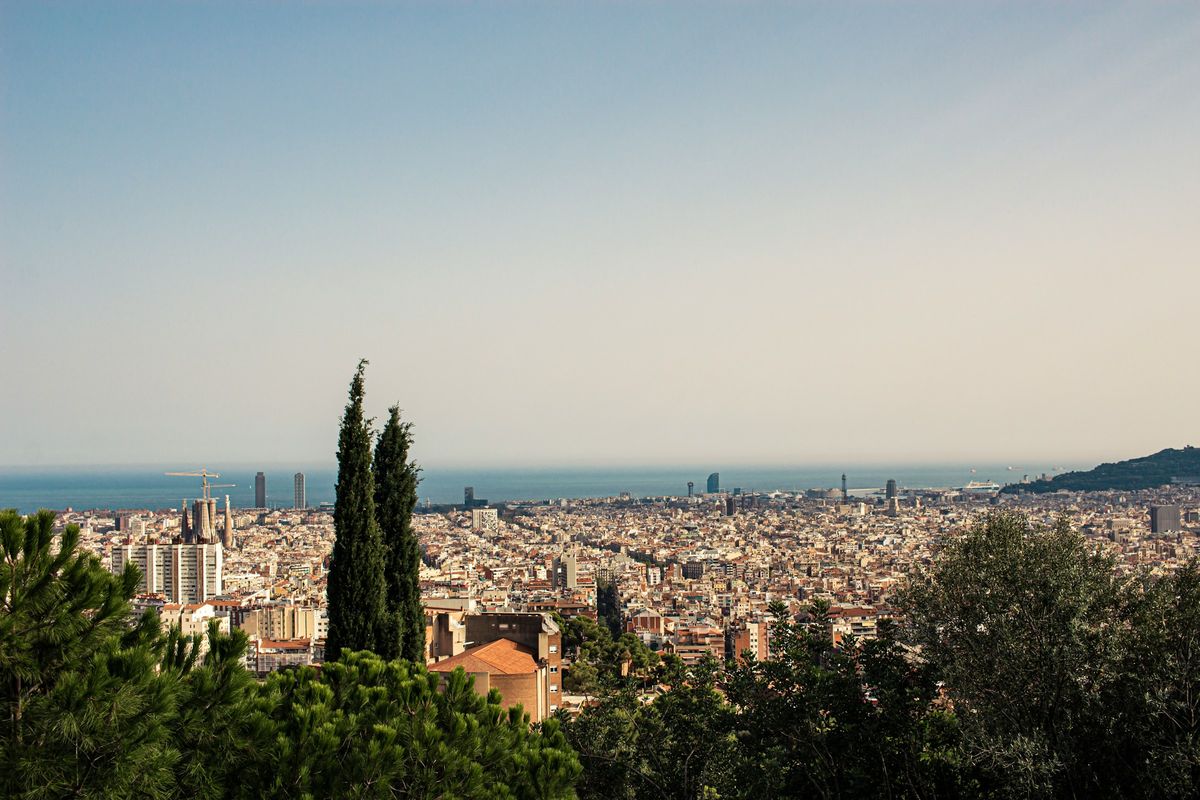
American families in Spain choose between three kinds of school: free public schools, state-subsidized concertado schools, and fee-paying private or international schools. Public and concertado schools teach in Spanish or the regional language, so families who want an American or British curriculum in English pay for an international school.
| Public | Concertado | Private or international | |
|---|---|---|---|
| Tuition | Free | Free in principle, with modest monthly charges | Roughly €6,000 to €20,000 a year (about $6,900 to $23,000), more at the top schools |
| Language | Spanish, plus the regional language where there is one | The same | English, or English and Spanish; some French and German schools |
| Curriculum | Spanish | Spanish | American, British, International Baccalaureate or Spanish |
| How you get a place | Regional application, points for living nearby | The same process | Apply to the school directly; many have waiting lists |
| Extra costs | Books, supplies, lunch, activities | The same, plus uniform at many | Enrollment fee, lunch, bus, uniform, exams |
Fees are estimates for early planning. Dollar amounts assume roughly $1.15 to the euro, and that rate moves.
How the school system is organized
| Stage | Ages | Notes |
|---|---|---|
| Nursery (infantil, first cycle) | 0 to 3 | Optional and usually paid, with public places limited |
| Preschool (infantil, second cycle) | 3 to 6 | Optional and free, and nearly every child attends |
| Primary (primaria) | 6 to 12 | Compulsory |
| Lower secondary (ESO) | 12 to 16 | Compulsory, and ends with the basic graduation certificate |
| Bachillerato or vocational training | 16 to 18 | Optional. Bachillerato leads to the university entrance exam |
Children are placed by calendar year of birth, so a child born in December is in the same class as one born the previous January. That can put an American child a grade ahead of or behind where they were.
The school year runs from early or mid September to late June. Many schools teach from about 9 am to 2 pm, with lunch and activities afterward for families who need them. Others run a split day with a long lunch break and finish at about 5 pm.
Public and concertado schools
Public schools are run by the regions, and standards are generally sound, with the usual variation between neighborhoods. Concertado schools are privately run, often by a religious order, and publicly funded. They follow the same curriculum and admission rules and ask families for contributions on top.
For younger children, a local school is the fastest route to fluent Spanish and local friends. Most children under about eight adapt within a school year. Older children find it harder, because they have to learn the language while keeping up with secondary subjects, and many regions run short-term support classes for new arrivals.
Check the language of teaching before you choose a region:
- Catalonia and the Balearic Islands teach mainly in Catalan.
- The Valencia region uses a mix of Valencian and Spanish that varies by school.
- The Basque Country and Galicia teach partly or mainly in Basque or Galician.
- Madrid, Andalusia and most other regions teach in Spanish, and Madrid has a large network of bilingual schools that teach some subjects in English.
International schools
International schools are concentrated where foreign families live:
| Area | What you find |
|---|---|
| Madrid | The widest choice, including American, British, French and German schools, mostly in the northern and western suburbs |
| Barcelona | American, British and other international schools in the upper part of the city and in nearby towns |
| Valencia | A smaller group of British and American schools, mostly in suburbs north and west of the city |
| Costa del Sol | Many British-curriculum schools between Málaga, Marbella and Estepona |
| Costa Blanca, Mallorca and the Canary Islands | British schools in the main expat areas |
Points to check with each school:
- Which diploma it awards. American schools usually offer a US high school diploma, often with the International Baccalaureate. British schools teach toward GCSE and A-level exams. Many also teach enough of the Spanish program for students to graduate with the Spanish bachillerato, which matters for entry to Spanish universities.
- Accreditation. Ask which US or international body accredits the school. The State Department’s Office of Overseas Schools publishes fact sheets on the American schools it assists in Spain, which have included schools in Madrid, Barcelona, Valencia, Bilbao and Las Palmas.
- The full cost. Tuition rises with grade level, and the enrollment fee can be several thousand euros.
- The commute. Many campuses are outside the city, so the school often decides the neighborhood.
- Waiting lists. Popular schools fill some grades a year ahead.
How to enroll
Public and concertado schools. Each region opens an application period in spring, usually between March and May, for the following September. You list several schools, and places go by points for living or working nearby, siblings at the school and family income. You need to be registered at your address with the town hall. See NIE, TIE and empadronamiento.
Families who arrive after the application period, or during the year, ask the local schooling commission for a place. A place is guaranteed, though not always at the nearest school.
International schools. Apply directly, often with an entrance assessment, previous report cards and a deposit. Start 9 to 12 months before the move.
Paperwork. Bring birth certificates, vaccination records and the last two years of report cards. Students joining the last years of secondary school may need their US studies officially validated by the education ministry. Documents for that need an apostille, which is a certificate from the US government that makes an American document valid abroad, and a sworn translation. Younger children are placed by age without it.
Homeschooling and other points
- Homeschooling isn’t recognized in Spanish law, which requires children aged 6 to 16 to attend school. Families who homeschool do so in a legal gray area. Ask a lawyer before relying on it.
- Special educational needs are supported in public schools, though resources vary. International schools differ widely in what they offer.
- School lunches, buses and after-school activities are paid for separately in every kind of school.
- University. Public university tuition for residents is low by US standards. Entry depends on the bachillerato and entrance exam, or a recognized foreign diploma.
Where to go from here
Pick the school before the home. Fees at an international school can exceed your rent, so add them to your cost of living budget. Children are included as dependents on your application, which raises the income you have to show. See Spain residency. A local real estate agent can find rentals within reach of the schools on your list, and living in Spain as an American covers the rest of family life.
Common questions
Can American children go to public school in Spain?
Yes. Children living in Spain have a right to a free place at a public school whatever their nationality, and school is compulsory from age 6 to 16. American families enroll through the regional education office or town hall once they are registered at a local address.
How much do international schools in Spain cost?
International schools in Spain commonly charge roughly €6,000 to €20,000 a year in tuition (about $6,900 to $23,000), and the best-known American and British schools in Madrid and Barcelona charge more in the upper grades. Enrollment fees, lunch, the bus and uniforms are extra. These are estimates, and each school publishes its own fees.
Are public schools in Spain taught in English?
No. Public schools in Spain teach in Spanish, and in Catalan, Valencian, Basque or Galician in the regions that have a second official language. Some regions, including Madrid, run bilingual public schools that teach part of the day in English.
Where are the American schools in Spain?
American schools in Spain are few and are mainly in Madrid and Barcelona, with others in Valencia, Bilbao and the Canary Islands. British-curriculum schools are far more numerous and are found in every area with a large foreign community, including the Costa del Sol and the Costa Blanca.
Sources
This page is general information, not professional advice. Rules and amounts change, and officials apply them differently. Confirm the details with the relevant authority or a qualified professional before you act on them.