Spain digital nomad visa: requirements and how to apply
The visa for remote workers with employers or clients outside Spain: income, documents, where to apply and tax.
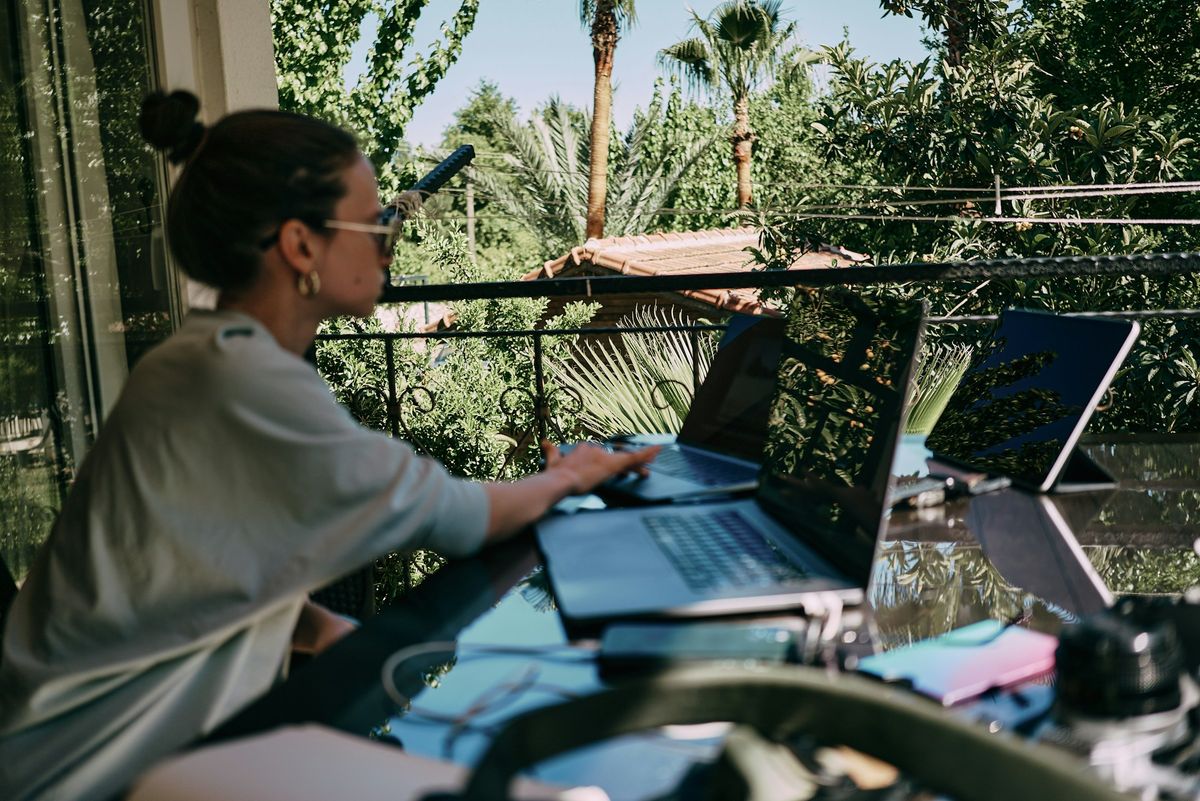
Spain’s digital nomad visa lets people who work remotely for employers or clients outside Spain live in the country. It was created by the Startup Law that took effect in 2023, and its official name is the residence authorisation for international teleworkers.
Who qualifies
- Employees of a company outside Spain that allows them to work remotely from Spain.
- Freelancers and contractors whose clients are outside Spain. Up to 20% of your work can be for Spanish clients.
In both cases you generally need to show:
- An established working relationship. You have worked for the employer or clients for at least three months before applying, and the company has existed for at least a year.
- Qualifications or experience. A university degree or professional certificate, or about three years of relevant experience.
- A contract or letter confirming the work can be done remotely from Spain, with the terms and pay.
- A clean criminal record for the last several years, which for Americans means an FBI check with an apostille.
- Health cover in Spain, through private insurance or Spanish Social Security depending on how you apply.
The income requirement
The threshold is a multiple of Spain’s minimum wage (SMI):
| Multiple of minimum wage | Approximate amount a month | |
|---|---|---|
| Main applicant | 200% | €2,700 to €2,900 (about $3,100 to $3,300) |
| First family member | 75% more | About €1,000 to €1,100 more |
| Each further family member | 25% more | About €350 more |
The minimum wage has risen most years, which is why this page gives a range. Check the current figure before you apply. Income is shown with contracts, payslips or invoices, and bank statements.
Where to apply
| At a Spanish consulate in the US | From inside Spain | |
|---|---|---|
| What you get | A one-year visa, then a residence authorisation applied for in Spain | A residence authorisation for up to three years |
| Who decides | The consulate | A central office in Madrid that handles applications online |
| Speed | Varies by consulate | The legal limit is 20 working days once the file is complete |
| You need to | Live in the consulate’s area | Be in Spain legally, for example within your 90 visa-free days |
Many applicants apply from inside Spain because the first grant is longer and the decision is quicker. The drawback is that you have moved before you know the answer. A lawyer usually files the application online on your behalf.
Either way, once approved you register at the town hall and get a TIE card. See NIE and TIE.
Social security for US workers
This is the part that trips up Americans. Spain wants to know which country’s social security system covers you while you work from Spain.
- Freelancers generally register as self-employed (autónomo) in Spain and pay Spanish social security contributions each month.
- Employees of US companies have faced an obstacle over proof of US coverage, and the way Spanish authorities handle it has changed more than once. Some applicants have had their employer register with Spanish Social Security, and others have applied as contractors.
Ask an immigration lawyer how this is being handled now before you choose how to apply. It affects your application, your costs and your tax.
Tax
Living in Spain for more than 183 days in a calendar year generally makes you a Spanish tax resident, taxed on worldwide income at rates that are higher than most Americans are used to.
Some digital nomad visa holders can instead choose the special regime for inbound workers, known as the Beckham law. It taxes Spanish employment income at a flat rate, up to a ceiling, for the year you arrive and the five that follow. Employees are the clearest fit, many freelancers don’t qualify, and there is a short deadline to apply after you register. See taxes in Spain, and take advice before you move, because the choice can’t easily be undone.
US citizens file US returns as well. See US taxes when you live in Spain.
Renewal and what it leads to
An authorisation granted in Spain can be renewed while you still meet the conditions. Time on the digital nomad visa counts toward the five years needed for long-term residency, as long as you actually live in Spain. See the residency overview.
Digital nomad visa or non-lucrative visa
| Your situation | Usual route |
|---|---|
| You work remotely for a foreign employer or clients | Digital nomad visa |
| You live on pensions, investments or savings and don’t work | Non-lucrative visa |
| You want to stay less than 90 days | No visa needed, but check the rules on working while visiting |
| You have a Spanish job offer | Work visa, started by the employer |
For how the visa fits with housing, insurance and shipping, see the steps for moving to Spain.
Common questions
How much income do you need for the Spain digital nomad visa?
The main applicant needs 200% of Spain's minimum wage, which has recently come to roughly €2,700 to €2,900 a month (about $3,100 to $3,300). A first family member adds 75% of the minimum wage and each further one adds 25%. The minimum wage usually rises each year, so confirm the current figure.
Can I apply for the Spain digital nomad visa from inside Spain?
Yes. You can apply while you are in Spain legally, for example during a visa-free visit, and an approval is normally for up to three years. Applying at a Spanish consulate in the US gives a one-year visa that you later extend in Spain.
Can freelancers get the Spain digital nomad visa?
Yes. Self-employed applicants qualify if their clients are outside Spain. Work for Spanish clients is allowed as long as it stays below 20% of your professional activity.
Do digital nomads pay tax in Spain?
Yes, if they live there. Spending more than 183 days a year in Spain generally makes you a tax resident. Some digital nomad visa holders can apply for the special regime known as the Beckham law, which taxes Spanish employment income at a flat rate for a limited period. Whether you qualify depends on how you work.
This page is general information, not professional advice. Rules and amounts change, and officials apply them differently. Confirm the details with the relevant authority or a qualified professional before you act on them.