Living in Madrid as an American: cost of living, neighborhoods and daily life
Get a realistic monthly budget for Madrid, the neighborhoods Americans choose, and what the capital offers that the coast doesn't.
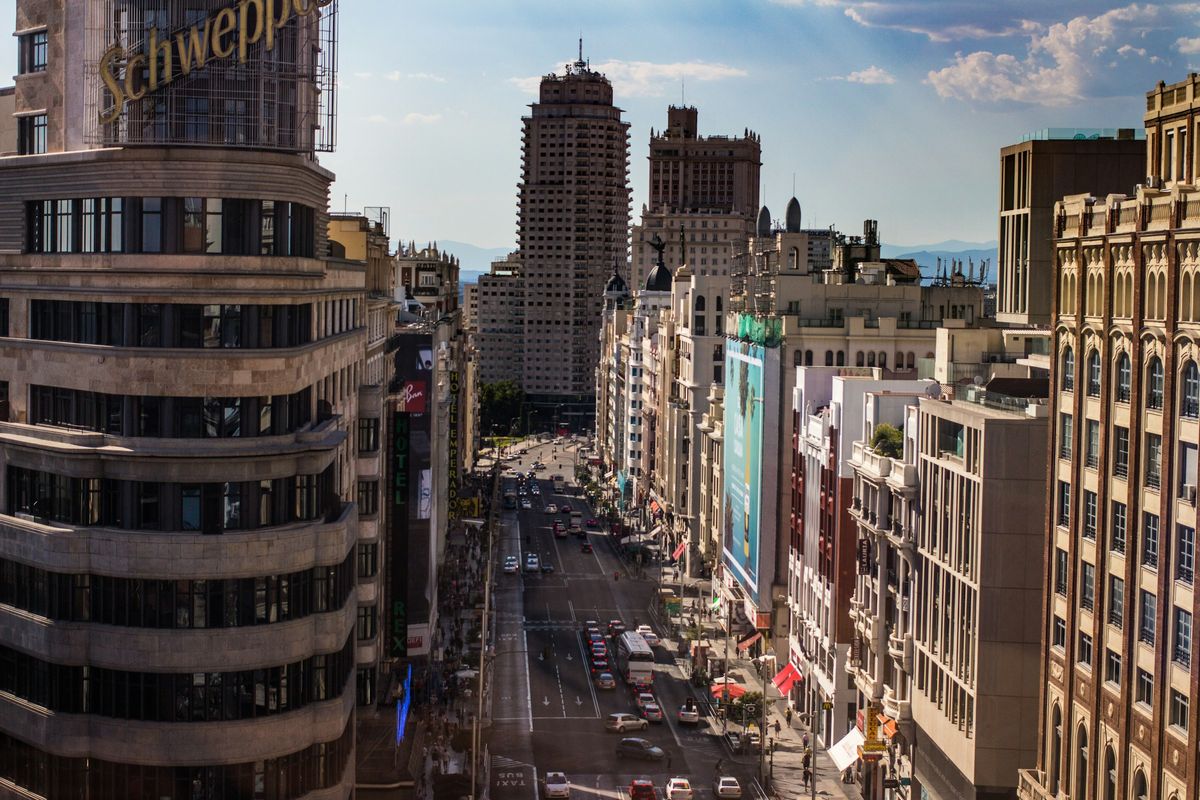
A couple can live in Madrid on roughly €2,250 to €4,100 a month including rent (about $2,600 to $4,700), less than in most large US cities. The capital gives you Spain’s best flight connections, hospitals and school choice, and its lowest regional taxes, in exchange for high rents and a climate with real winters and hot summers.
| Monthly cost for a couple | Estimate |
|---|---|
| Rent, one- or two-bedroom in a central area | €1,200 to €2,100 (about $1,400 to $2,400) |
| Electricity, gas and water | €110 to €190 |
| Internet and two cell phone plans | €50 to €80 |
| Groceries | €420 to €620 |
| Eating out and leisure | €300 to €600 |
| Public transport, two passes | €40 to €110 |
| Private health insurance, two people | €120 to €400 |
| Total | €2,250 to €4,100 (about $2,600 to $4,700) |
These figures are estimates for early planning. Dollar amounts assume roughly $1.15 to the euro, and that rate moves. A single person typically spends about two-thirds of a couple’s budget. Check current listings before you rely on the rent figures.
| At a glance | Madrid |
|---|---|
| Climate | Hot, dry summers with highs around 90 to 93°F (32 to 34°C); cold, sunny winters with highs around 50°F (10°C) |
| Nearest international airport | Madrid-Barajas, about 8 miles (13 kilometers) from the center, with the most direct US flights in Spain |
| Hospitals | The country’s largest public hospitals, including La Paz, Gregorio Marañón and 12 de Octubre, and many private ones with English-speaking staff |
| Typical rent | €1,200 to €2,100 a month in a central area (about $1,400 to $2,400) |
| Foreign community | Large and spread across the city, with Americans in business, teaching, study and diplomacy |
| Language | Spanish only, with no regional language. English is common in international companies and limited elsewhere |
What things cost day to day
- A room in a shared apartment: roughly €450 to €750 a month.
- A weekday set lunch (menú del día): about €13 to €18.
- Coffee: about €1.60 to €2.50. A small beer (caña) costs about €2 to €3.50.
- A monthly transport pass for the central zone has cost roughly €30 to €55, depending on the public subsidies in force. Residents aged 65 and over pay far less.
- A gym membership: about €35 to €60 a month.
See the cost of living in Spain for how Madrid compares with other cities.
Neighborhoods
| Neighborhood | What it’s like | Rent level |
|---|---|---|
| Salamanca | Elegant grid of wide streets, designer shops and embassies | Highest |
| Chamberí | Traditional, residential and central, with markets and squares. A favorite with families and long-term foreign residents | High |
| Retiro | Quiet streets beside the city’s main park | High |
| Malasaña and Chueca | Young and lively, full of bars and independent shops. Noisy at night | High |
| La Latina and Lavapiés | The oldest part of the city, hilly and multicultural, with older buildings | Medium to high |
| Chamartín | The northern business district, with larger modern apartments | High |
| Arganzuela | Newer buildings along the riverside park, good value for the location | Medium |
Families who want a house, a yard and an international school often look outside the city, in Pozuelo, Majadahonda and Las Rozas to the west or La Moraleja to the north. These are car-dependent suburbs about 6 to 12 miles (10 to 20 kilometers) from the center.
The wider Madrid region
| Place | What it’s like | Rent level |
|---|---|---|
| Western and northern suburbs (Pozuelo, Majadahonda, Las Rozas, La Moraleja) | Houses with yards, international schools and shopping centers. You will drive | High |
| Alcalá de Henares | A historic university city about 20 miles (32 kilometers) east, on the commuter train | Lower |
| Mountain towns (San Lorenzo de El Escorial, Cercedilla) | Cooler summers and hiking in the Sierra de Guadarrama, about an hour from the center | Medium |
| Aranjuez | A small royal town with gardens about 30 miles (48 kilometers) south, on the commuter train | Lower |
Toledo and Segovia are about half an hour away by high-speed train, and some people commute from them. They are in other regions, so Madrid’s regional tax rules don’t apply there.
Many older central buildings have no elevator, and interior apartments facing a light well are dark. Ask which floor, which way the apartment faces, and what heating it has. See renting in Spain.
Climate
Madrid sits on a high plateau at about 2,100 feet (650 meters), and its weather surprises people who expect Mediterranean Spain.
- Summer is hot and dry. Highs average around 90 to 93°F (32 to 34°C) in July and August and pass 100°F (38°C) in heat waves. Nights cool off more than on the coast.
- Winter is cold and sunny. Daytime highs are around 50°F (10°C), and nights often drop near freezing. Snow in the city is rare.
- Spring and fall are the best seasons.
Many residents leave in August, when some small businesses close. The mountains of the Sierra de Guadarrama are about an hour north, with hiking and some skiing. The nearest beach is in Valencia, about 220 miles (355 kilometers) away, under two hours by high-speed train.
Getting around and getting home
Madrid’s metro is one of the largest in Europe, and with buses and commuter trains it reaches almost everywhere. Most city residents don’t need a car, and central traffic and parking are restricted.
Madrid-Barajas is Spain’s main international airport, about 8 miles (13 kilometers) from the center and on the metro. It has year-round direct flights to more US cities than any other Spanish airport. Routes change, so check the airlines. High-speed trains run from Madrid to Barcelona, Valencia, Seville and Málaga in about two to three hours.
Schools and healthcare
Madrid has the widest choice of international schools in Spain, including American, British, French and German ones, and a large network of bilingual public schools that teach part of the day in English. Public schools teach in Spanish, with no second regional language. See schools in Spain.
The city has the country’s largest public hospitals and many private hospitals with English-speaking staff. Which system you can use depends on how you are resident. See healthcare in Spain.
Language and community
Madrid is a Spanish-speaking city. English is common in international companies and among younger people, and much less so in shops, government offices and with landlords. Americans are spread across the city instead of gathered in one area, and there are active groups for newcomers, families and professionals. Plan to learn Spanish.
Tax
The Madrid region sets some of the lowest regional tax rates in Spain. It has rebated its regional wealth tax and gives large reductions on inheritance and gift tax between close relatives, and its income tax scale is among the lowest. A national tax on net wealth above €3 million still applies. For Americans with substantial assets, this can outweigh every other cost difference between cities. Rules change, so have an adviser confirm the current position. See taxes in Spain.
Work
Madrid is the headquarters city for most large Spanish companies and many international ones, and the center of finance, law, consulting and government. See jobs in Spain for Americans.
Who Madrid suits
- A good fit: families who want school choice, people who fly to the US often, professionals, and anyone whose assets make regional tax important.
- A harder fit: people who want the sea, a mild winter or a small-town pace.
How people usually start
- Visit in January and in July. Madrid’s winter and summer are both more extreme than newcomers expect.
- Rent before you buy. Take temporary housing for a month and look for a long-term lease in person. When you are ready, see buying property in Spain.
- Settle your residency route first. Retirees usually apply for the non-lucrative visa and remote workers for the digital nomad visa. Spain residency requirements compares them.
If you want the coast, compare Valencia and Barcelona. Seville and Málaga are about two and a half to three hours south by high-speed train, and northern Spain is the place to look for cooler summers. The best places to live in Spain covers every region, and a local real estate agent can help you find a rental.
Common questions
How much does it cost to live in Madrid?
The cost of living in Madrid for a couple is roughly €2,250 to €4,100 a month including rent (about $2,600 to $4,700), and a single person spends about two-thirds of that. Rent for a one- or two-bedroom apartment in a central area runs roughly €1,200 to €2,100. These are estimates.
Is Madrid expensive?
Madrid is one of the two most expensive cities in Spain, mainly because of rent, and it is still cheaper than most large US cities. Food, eating out, public transport and healthcare in Madrid cost well below US prices.
Is Madrid a good place for Americans to live?
Madrid suits Americans who want a big, walkable capital with the most direct flights to the US, the country's largest hospitals, the widest choice of international schools and low regional taxes. The drawbacks of living in Madrid are high rents, hot summers, cold winters and no beach.
What are the best neighborhoods in Madrid for Americans?
The best neighborhoods in Madrid for Americans depend on budget and stage of life. Chamberí and Retiro are residential and central, Salamanca is the most upscale, Malasaña and Chueca are lively, and families who want international schools often choose northern and western suburbs such as Pozuelo and La Moraleja.
Sources
This page is general information, not professional advice. Rules and amounts change, and officials apply them differently. Confirm the details with the relevant authority or a qualified professional before you act on them.