Living in Málaga and the Costa del Sol as an American: cost of living, towns and daily life
See what life in Málaga and the Costa del Sol costs, which town fits you from Nerja to Estepona, and what to weigh before you choose Spain's sunniest coast.
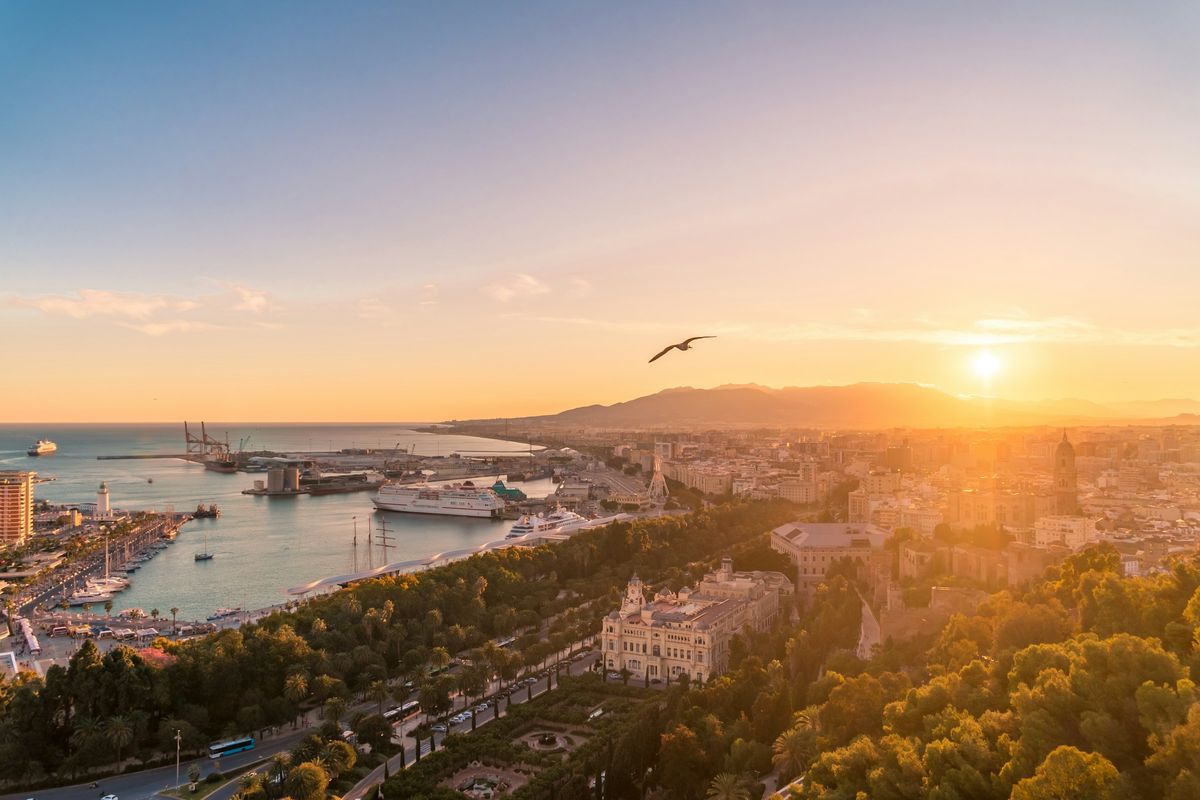
Living in Málaga gives you the mildest winters on the Spanish mainland, a walkable city on the sea and a coast where you can see a doctor, hire a lawyer and make friends in English. It suits retirees and remote workers who want sun and an easy landing, and it costs a couple roughly €2,000 to €3,500 a month including rent (about $2,300 to $4,000).
| At a glance | Málaga and the Costa del Sol |
|---|---|
| Climate | Winter highs around 63°F (17°C), summer highs around 86 to 90°F (30 to 32°C), little rain from May to September |
| Nearest international airport | Málaga-Costa del Sol, about 5 miles (8 kilometers) from the city. Many European routes; US flights have been limited and seasonal |
| Hospitals | Large public hospitals in Málaga and one in Marbella, plus many private hospitals that work in English |
| Typical rent | €1,000 to €1,700 a month in Málaga (about $1,150 to $1,950); more in Marbella, less in the smaller towns |
| Foreign community | The largest English-speaking community in Spain, mostly British and northern European, with a small and growing American group |
| Language | You can get by in English on the coast. Spanish is needed for government offices, landlords and life in the city |
All costs on this page are estimates for early planning. Dollar amounts assume roughly $1.15 to the euro, and that rate moves.
“Málaga” and “Costa del Sol” are mostly vacation searches. This page is for people planning to stay.
Who it suits, and who it doesn’t
- A good fit: retirees who want warm winters and medical care in English, remote workers on the digital nomad visa, and families who want British or international schools near the beach.
- A harder fit: people on a tight budget, people who want to live among Spaniards and speak Spanish all day, and anyone who dislikes crowds, traffic and summer heat.
Málaga and the towns along the coast
The Costa del Sol runs about 95 miles (150 kilometers) along the province of Málaga. The city sits roughly in the middle.
| Place | What it’s like | Rent level |
|---|---|---|
| Málaga city: center and Soho | Restored old town, museums and the port. Busy with visitors, many tourist apartments | High |
| Málaga city: La Malagueta, Pedregalejo, El Palo | Beach districts east of the center. Pedregalejo and El Palo keep a village feel | High |
| Málaga city: Teatinos | Modern apartment blocks near the university and a metro line, popular with families | Medium |
| Torremolinos and Benalmádena | Built-up resort towns on the commuter train, 8 to 14 miles (13 to 22 kilometers) from the city | Medium |
| Fuengirola and Mijas | A flat seafront town with a large British and Nordic community, and a white village on the hill above it | Medium |
| Marbella | The most upscale town on the coast, about 37 miles (60 kilometers) west, with international schools and private clinics | Highest |
| Estepona | A quieter town with a restored center, about 53 miles (85 kilometers) west of Málaga | Medium to high |
| Rincón de la Victoria, Nerja and the east | Smaller and more Spanish, with a slower pace. Nerja is about 35 miles (55 kilometers) east | Medium |
Cost of living
Day-to-day costs are low by US standards. A weekday set lunch (menú del día) runs about €12 to €16, and groceries for a couple about €400 to €580 a month. Housing takes the largest share.
| Place | Monthly rent, one- or two-bedroom on a long-term lease |
|---|---|
| Marbella | €1,300 to €2,500 (about $1,500 to $2,900) |
| Málaga city, central and beach districts | €1,000 to €1,700 (about $1,150 to $1,950) |
| Estepona | €1,000 to €1,700 (about $1,150 to $1,950) |
| Benalmádena and Fuengirola | €900 to €1,500 (about $1,050 to $1,700) |
| Torremolinos | €900 to €1,400 (about $1,050 to $1,600) |
| Nerja and the eastern towns | €800 to €1,300 (about $920 to $1,500) |
Check current listings before you rely on these figures. Many owners on this coast rent by the week in summer and offer only September-to-June contracts, so ask whether a lease runs for the full year. See renting in Spain and the cost of living in Spain for how Málaga compares with other cities.
Healthcare
Málaga has two large public teaching hospitals, the Hospital Regional Universitario and the Hospital Virgen de la Victoria, and Marbella has the public Hospital Costa del Sol. The private sector is unusually large because of the foreign population, and many private hospitals and clinics along the coast have English-speaking doctors and interpreters.
Public care is run by the Andalusian health service. Whether you can use it depends on how you are resident, and people on a non-lucrative visa need private insurance at first. See healthcare in Spain.
Getting there and getting around
Málaga’s airport is one of the busiest in Spain, with flights to most European cities all year. Direct US service has been limited to a seasonal route to the New York area in recent summers. Routes change, so check the airlines, and expect to connect through Madrid or another European hub for most trips home.
High-speed trains reach Madrid in under three hours, and Córdoba and Seville are closer still. A commuter train links the city, the airport, Torremolinos, Benalmádena and Fuengirola. It stops there, so Marbella and Estepona depend on buses and the coastal highway. You can live without a car in Málaga city and the towns on the train line. In Mijas, Marbella, Estepona and the hillside developments, most residents drive.
Regional taxes
Andalusia has cut its regional taxes in recent years. It has rebated its regional wealth tax and given large reductions on inheritance and gift tax between close relatives. A national tax on net wealth above €3 million still applies, and income tax follows the national rules with a regional scale. These rules change, so have an adviser confirm the position for the year you move. See taxes in Spain.
The downsides
- Rents and scarcity. Málaga’s popularity with remote workers and technology companies has pushed rents up fast, and tourist apartments have taken much of the central supply.
- Crowds. The old town fills with visitors and cruise passengers, and the coast road is slow in July and August.
- Summer. Highs are lower than in Seville, but nights are warm and humid. A hot, dry wind from inland, the terral, can push temperatures past 100°F (38°C) for a few days at a time.
- Drought. The province has had water restrictions in dry years.
- An English-speaking bubble. In parts of the coast you can go weeks without needing Spanish, which makes it harder to learn.
- Getting home. Most trips to the US involve a connection.
How people usually start
- Visit in winter and again in August. January shows you the climate people move for. August shows you the heat and the crowds.
- Try more than one town. A month in Málaga city and a month in a coastal town will tell you which life you want.
- Rent before you buy. A full year tells you about noise, damp and seasonal neighbors. When you are ready, see buying property in Spain.
- Sort out residency first. Check which residency route your income supports before you sign a long lease.
If you want a more Spanish city for less money, compare Seville and Granada. For a similar coast at lower prices, see Alicante and the Costa Blanca. The best places to live in Spain covers every region, and a local real estate agent can help you find a long-term rental.
Common questions
How much does it cost to live in Málaga, Spain?
The cost of living in Málaga, Spain for a couple is roughly €2,000 to €3,500 a month including rent (about $2,300 to $4,000), and a single person spends about two-thirds of that. Rent for a one- or two-bedroom apartment in a central area runs roughly €1,000 to €1,700. These are estimates.
Is Málaga expensive?
Málaga is expensive by the standards of southern Spain and cheaper than Madrid, Barcelona or most US cities. Food, eating out and transport in Málaga are inexpensive. Rent is the exception: it has risen quickly, and long-term apartments in the city are hard to find.
Is Málaga a good place to live for Americans?
Málaga suits Americans who want mild winters, a mid-sized city on the sea, a busy airport and plenty of English-speaking services. The drawbacks of living in Málaga are a tight rental market, crowds in the center, hot and humid summers and few direct flights to the US.
Where do expats live in Málaga and on the Costa del Sol?
Expats in Málaga province live mostly along the coast west of the city, in Benalmádena, Fuengirola, Mijas, Marbella and Estepona, where British and northern European communities are long established. In Málaga itself, foreign residents gather in the center, Soho, La Malagueta and the beach districts of Pedregalejo and El Palo.
Sources
This page is general information, not professional advice. Rules and amounts change, and officials apply them differently. Confirm the details with the relevant authority or a qualified professional before you act on them.