Best places to live in Spain for Americans
Seven cities and regions compared on climate, cost, language, healthcare and getting home.
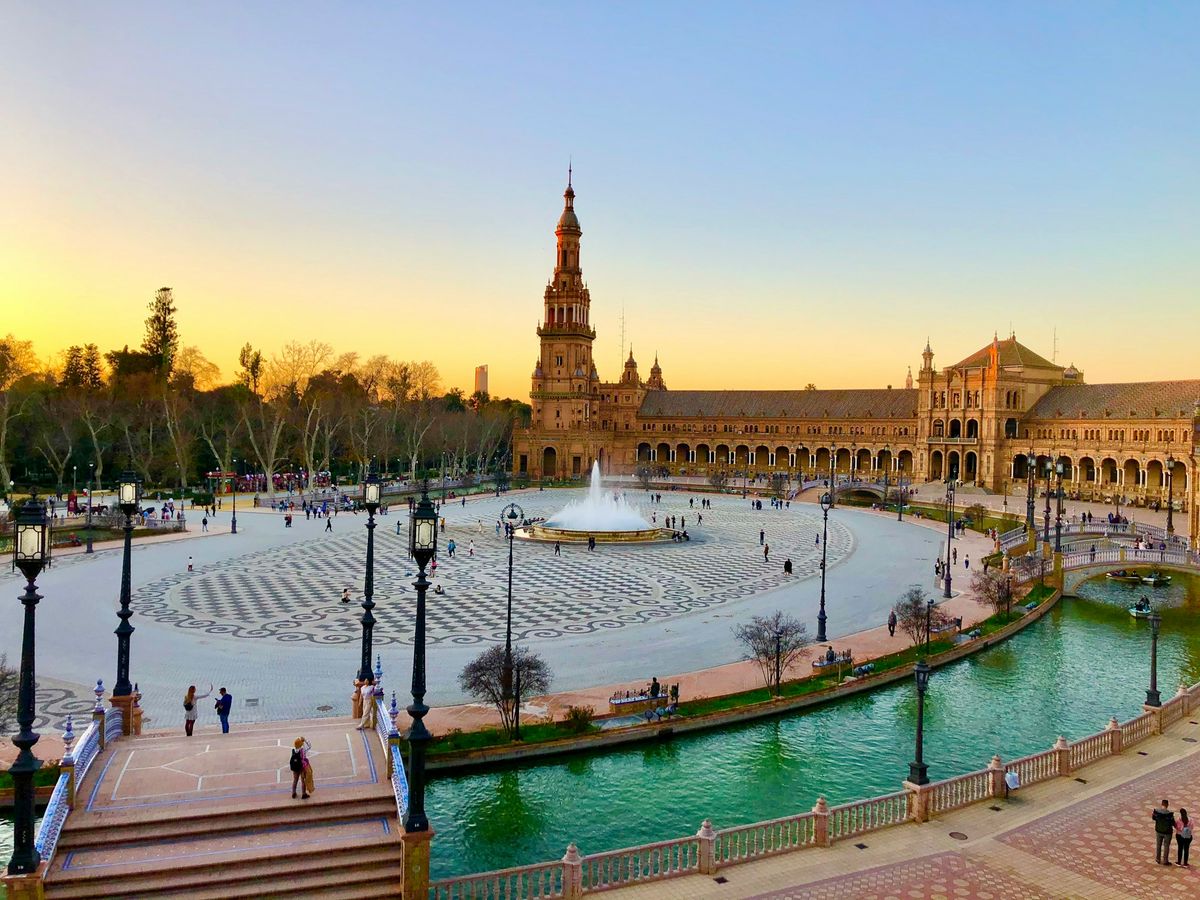
Spain is more varied than its beach image suggests. The north is green and rainy, the centre is a high plateau with cold winters, and the south and east have long dry summers. Regions also differ in language, cost and how many foreigners live there. The right choice depends on what you want daily life to look like.
How to compare places
- Climate. The Mediterranean coast has mild winters and hot, humid summers. Inland Andalusia is very hot from June to September. Madrid is dry, hot in summer and cold in winter. The north is cool and wet. The Canary Islands are mild all year.
- Language. Catalonia, the Balearic Islands, the Valencia region, the Basque Country and Galicia each have a second official language used in schools and government. Spanish works everywhere, but it matters if you have children in public school.
- Cost. Housing drives the difference. See the cost of living in Spain.
- Healthcare. Standards are good across the country. The largest hospitals are in the big cities, and English-speaking private doctors are concentrated where foreigners live.
- Getting home. Year-round direct flights to the US leave mainly from Madrid and Barcelona. A few other airports have seasonal routes. From anywhere else you connect.
- Community. Some coastal towns have thousands of English speakers. In much of inland and northern Spain you will need Spanish every day.
The places
Madrid
The capital and largest city, in the centre of the country at about 2,100 feet. It has Spain’s biggest hospitals, museums, the main international airport and fast trains to most other cities. Summers are hot and dry, winters are cold and sunny, and the nearest beach is hours away. Rents are among the highest in Spain. Its regional government also sets some of the lowest regional taxes, which matters to people with significant assets.
Barcelona and Catalonia
A large Mediterranean city with beaches, a big international workforce and direct US flights. It has the highest rents in Spain, heavy tourism in the centre and tight rules on rentals. Catalan is the main language of public schools and regional government. Towns along the coast such as Sitges, and the city of Girona, are quieter alternatives within reach of the city.
Valencia and the Costa Blanca
Spain’s third city is flat, easy to cycle, and has a long city beach and a large park running through it. It has drawn many Americans in recent years, and rents have risen sharply as a result. South of it, the Costa Blanca runs through Dénia, Jávea and Altea to Alicante, with long-established communities of northern European retirees and lower prices than the Costa del Sol. Late summer and autumn can bring severe storms and flooding in this region.
Málaga and the Costa del Sol
Málaga is a mid-sized city with a restored centre, a growing technology sector and one of the country’s busiest airports. The coast to its west, through Marbella and Estepona, has the largest English-speaking community in Spain, with international schools and many private clinics that work in English. Winters are the mildest on the mainland. Housing in Málaga itself has become expensive and hard to find.
Seville and inland Andalusia
Seville, Granada and Córdoba offer historic centres, lower rents and a more Spanish daily life, with fewer services in English. Summer is the catch. Seville and Córdoba regularly pass 104°F in July and August, and many residents leave for part of it. Granada is higher and cooler at night, with skiing nearby in winter.
The Balearic and Canary Islands
Mallorca, Menorca and Ibiza are in the Mediterranean, with good air links to mainland Spain and northern Europe, high housing costs and a strongly seasonal economy. The Canary Islands sit off the coast of Africa, about a two and a half hour flight from Madrid, and have spring-like weather all year. Tenerife and Gran Canaria have large foreign communities. Everything from the US involves a connection or a seasonal flight, and island housing markets are tight.
Northern Spain
From Galicia through Asturias and Cantabria to the Basque Country, the north is green, mountainous and cool, with rain in every season and some of the best food in the country. San Sebastián is one of Spain’s most expensive cities. Bilbao, Santander, Oviedo, Gijón, A Coruña and Vigo cost much less. There are few foreigners and little English, which is what some people are looking for.
At a glance
| Place | Climate | Rent level | English spoken | Direct US flights |
|---|---|---|---|---|
| Madrid | Hot summers, cold winters, dry | High | Some | Yes, year-round |
| Barcelona | Mild winters, humid summers | Highest | Some | Yes, year-round |
| Valencia and Costa Blanca | Mild winters, hot summers | Medium to high | Some in the city, more on the coast | No, connect |
| Málaga and Costa del Sol | Mildest mainland winters | Medium to high | Widely on the coast | Limited and seasonal |
| Seville and inland Andalusia | Very hot summers | Lower | Little | No, connect |
| The islands | Mild, especially the Canaries | High | Widely in resort areas | Limited and seasonal |
| Northern Spain | Cool and wet | Lower, except San Sebastián | Little | Limited and seasonal |
Flight routes change from year to year, so check the airlines before you rely on one.
How to decide
- Pick two or three places that fit your climate, budget and language comfort.
- Visit each for at least a few weeks, in its worst season if you can: August in Seville, January in Madrid, February in the north.
- Rent for six to twelve months before you buy. A local real estate agent can help with long-term rentals, which are hard to secure from abroad.
- Check which residency route your income supports before you commit.
- If your assets are substantial, ask a tax adviser how the region you choose changes your wealth and inheritance tax. See taxes in Spain.
Common questions
What is the best place to live in Spain for Americans?
It depends on what you want. Valencia and Málaga are the most common choices for people who want a mid-sized city by the sea. Madrid and Barcelona suit people who want a big city and direct flights. The Costa del Sol and Costa Blanca have the largest English-speaking communities. The north suits people who would rather have green hills and cool summers than sun.
What are the cheapest places to live in Spain?
Costs are lowest in inland cities and in regions with little tourism, such as much of Andalusia away from the coast, Murcia, Extremadura, Castilla-La Mancha and Galicia. Among places popular with foreigners, Seville, Granada and Alicante are generally cheaper than Madrid, Barcelona, the Balearic Islands and San Sebastián.
Where do most American expats live in Spain?
The largest groups are in Madrid and Barcelona, followed by Valencia, Málaga and the Costa del Sol, and Seville. Americans are a small share of foreign residents in Spain. British, German and other northern European communities are much larger on the coasts.
What is the safest place to live in Spain?
Spain has low rates of violent crime throughout the country, so safety rarely decides between regions. The main problem is pickpocketing and bag theft in the tourist centres of Barcelona and Madrid. Smaller cities and the north report less of it.
This page is general information, not professional advice. Rules and amounts change, and officials apply them differently. Confirm the details with the relevant authority or a qualified professional before you act on them.