Living in Barcelona as an American: cost of living, neighborhoods and daily life
Get a realistic monthly budget for Barcelona, a short list of neighborhoods to look at, and the trade-offs to weigh before you choose it.
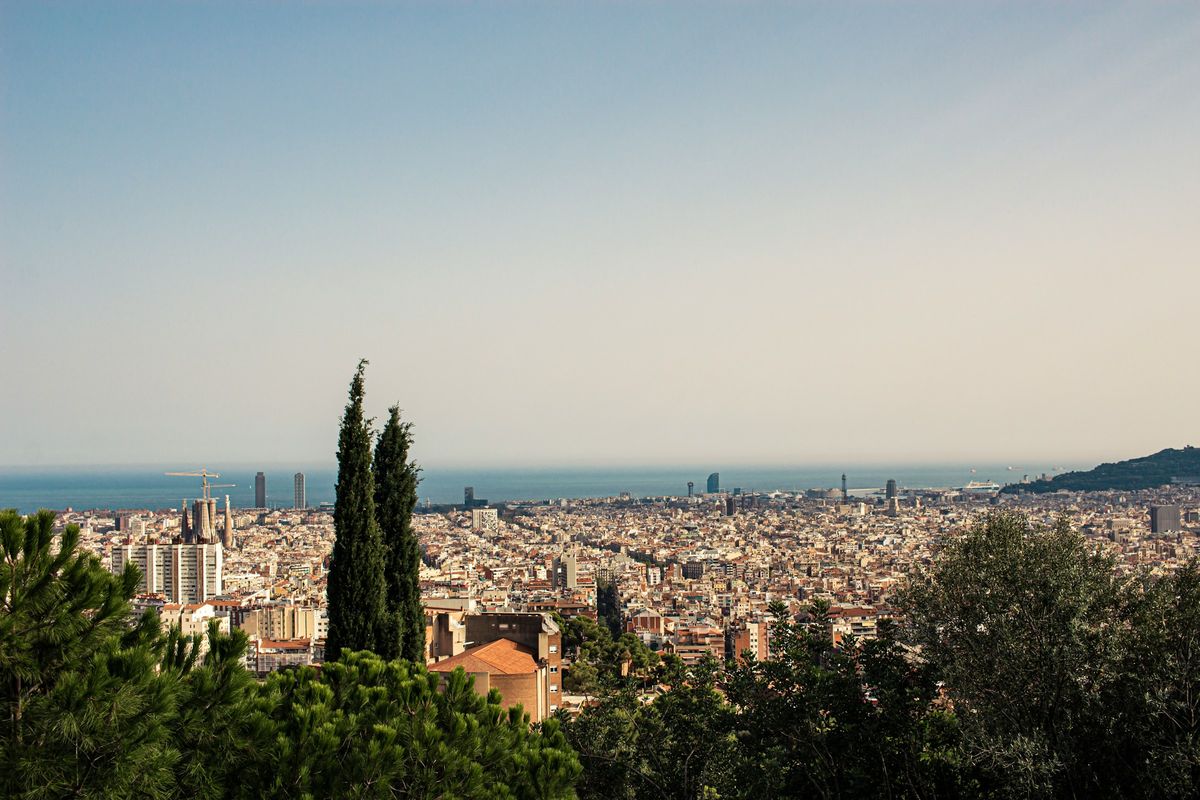
A couple can live in Barcelona on roughly €2,400 to €4,200 a month including rent (about $2,750 to $4,800), which makes it Spain’s most expensive city and still cheaper than most large US ones. You get a Mediterranean city with beaches, a big international community and direct flights home, and you pay for it in rent and competition for apartments.
| Monthly cost for a couple | Estimate |
|---|---|
| Rent, one- or two-bedroom in a central area | €1,300 to €2,200 (about $1,500 to $2,500) |
| Electricity, gas and water | €110 to €190 |
| Internet and two cell phone plans | €50 to €80 |
| Groceries | €450 to €650 |
| Eating out and leisure | €300 to €600 |
| Public transport, two passes | €40 to €90 |
| Private health insurance, two people | €120 to €400 |
| Total | €2,400 to €4,200 (about $2,750 to $4,800) |
These figures are estimates for early planning. Dollar amounts assume roughly $1.15 to the euro, and that rate moves. A single person typically spends about two-thirds of a couple’s budget. Check current listings before you rely on the rent figures.
| At a glance | Barcelona and Catalonia |
|---|---|
| Climate | Mild winters with highs around 57 to 59°F (14 to 15°C), warm humid summers around 84 to 88°F (29 to 31°C) |
| Nearest international airport | Barcelona-El Prat, about 8 miles (13 kilometers) from the center, with year-round direct flights to the US |
| Hospitals | Some of Spain’s largest public hospitals, including Hospital Clínic and Vall d’Hebron, and many private clinics that work in English |
| Typical rent | €1,300 to €2,200 a month in a central area (about $1,500 to $2,500) |
| Foreign community | One of the largest and most international in Spain, with many Americans in technology, study and remote work |
| Language | Spanish and Catalan are both official. English is common at work and in the center; schools teach mainly in Catalan |
What things cost day to day
- A room in a shared apartment: roughly €500 to €800 a month.
- A weekday set lunch (menú del día): about €14 to €20.
- Coffee: about €1.80 to €2.50. A beer costs about €3 to €4.
- A monthly transport pass for the city zone has cost roughly €20 to €45, depending on the public subsidies in force that year.
- A gym membership: about €40 to €70 a month.
See the cost of living in Spain for how Barcelona compares with other cities.
Neighborhoods
| Neighborhood | What it’s like | Rent level |
|---|---|---|
| Eixample | The central grid of wide streets and elegant apartment buildings. Convenient, busy with traffic | High |
| Gràcia | Small squares and narrow streets with a village feel. Popular with younger residents and families | High |
| Sarrià-Sant Gervasi | Residential and quiet, uphill from the center, close to several international schools | Highest |
| Poblenou | A former industrial area near the beach, now the technology district, with many foreign residents | High |
| Gothic Quarter and El Born | The medieval center. Beautiful, crowded with visitors and noisy at night | High |
| Sant Antoni and Poble-sec | Central, lively and somewhat cheaper, with a strong food scene | Medium to high |
| Sants and Les Corts | Everyday residential districts with good transport and fewer tourists | Medium |
Outside the city, Sitges and Castelldefels are beach towns about 12 to 25 miles (20 to 40 kilometers) down the coast. Sant Cugat, over the hill behind the city, is popular with families. All three have commuter trains into Barcelona.
The rest of Catalonia
Catalonia is far larger than its capital, and some people who like Barcelona end up living an hour away from it.
| Place | What it’s like | Rent level |
|---|---|---|
| Sitges and Castelldefels | Beach towns south of the city on the commuter train, with international schools nearby | High |
| Sant Cugat del Vallès | A leafy, family-oriented town behind the Collserola hills, about 25 minutes by train | High |
| Girona | A small, well-kept historic city about 60 miles (100 kilometers) north, under an hour by high-speed train. Popular with cyclists | Medium |
| The Costa Brava | Fishing towns and coves between Blanes and the French border. Lively in summer and very quiet in winter | Medium to high |
| Tarragona | A port city with Roman ruins and beaches about 60 miles (100 kilometers) south, noticeably cheaper than Barcelona | Lower |
The same regional taxes, school language rules and rent regulations apply across Catalonia, although the rent caps cover only the municipalities declared stressed areas.
The rental market
Barcelona is the hardest place in Spain to find a long-term rental. Three things to know:
- Rent caps apply. Catalonia has declared Barcelona a stressed housing area, which limits the rent on new long-term contracts by reference to the previous rent and an official index.
- Supply has shrunk. Many owners have switched to seasonal contracts, which fall outside the cap and cost more. The regional government has been tightening the rules on these.
- Tourist apartments are being phased out. The city has announced it will not renew tourist apartment licenses after 2028. Whether and how that happens is still contested.
Good apartments go within days, and landlords ask for a Spanish payslip or strong guarantees. Plan for a month or two of temporary housing while you look. See renting in Spain.
Climate
Summers are warm and humid, with highs around 84 to 88°F (29 to 31°C) in July and August and nights that stay warm. Winters are mild, with daytime highs around 57 to 59°F (14 to 15°C) and little frost. Rain comes mostly in fall and spring. Catalonia has had serious droughts with water restrictions in recent years. Most apartments have air conditioning in at least one room, and many have no central heating.
Language
Barcelona has two official languages, Catalan and Spanish, and everyone speaks both. English is common in technology companies, international schools and the central neighborhoods.
- Schools. Public and state-subsidized schools teach mainly in Catalan. See schools in Spain.
- Government. Regional and city offices work in Catalan first and will serve you in Spanish.
- Daily life. Spanish is enough. Learning some Catalan is appreciated.
Getting around and getting home
The city is compact, and most residents don’t own a car. The metro, buses, trams and commuter trains share one fare system, and there is a large network of bike lanes.
Barcelona-El Prat airport is about 8 miles (13 kilometers) from the center and has year-round direct flights to several US cities, with more in summer. Routes change, so check the airlines. High-speed trains reach Madrid in about two and a half hours, and the French border is about 95 miles (150 kilometers) north.
Healthcare and safety
Barcelona has some of Spain’s largest public hospitals and a wide choice of private clinics with English-speaking doctors. Which system you can use depends on how you are resident. See healthcare in Spain.
Violent crime is low by US standards. Pickpocketing and bag theft are a daily problem in the old town, on the metro and at the beach, and Barcelona has the worst reputation for it in Spain. Residents learn to carry little and keep phones off café tables.
Work and tax
Barcelona has Spain’s largest concentration of international technology and startup jobs, and many remote workers on the digital nomad visa. See jobs in Spain for Americans.
Catalonia’s regional income tax rates are among the higher ones in Spain, and it applies the wealth tax in full, with a lower allowance than the national one. For people with significant assets this is a real difference from Madrid. See taxes in Spain.
Who Barcelona suits
- A good fit: remote workers and professionals with US-level income, families who want international schools, and people who want a big city on the sea.
- A harder fit: retirees on a fixed income who are sensitive to rent, people who want quiet, and anyone with large investment assets who hasn’t taken tax advice.
How people usually start
- Visit outside the summer. November or February shows you the city residents live in, without the beach crowds.
- Rent before you buy. Book a month or two of temporary housing and look for a long-term lease in person. When you are ready, see buying property in Spain.
- Settle your residency route first. Remote workers usually apply for the digital nomad visa and retirees for the non-lucrative visa. Spain residency requirements compares them.
If the cost puts you off, Valencia offers a smaller city on the same coast for less, and Madrid offers a big city with lower regional taxes. Mallorca is under an hour away by air. The best places to live in Spain compares all the regions, and a local real estate agent can help you find a rental.
Common questions
How much does it cost to live in Barcelona?
The cost of living in Barcelona for a couple is roughly €2,400 to €4,200 a month including rent (about $2,750 to $4,800), and a single person spends about two-thirds of that. Rent for a one- or two-bedroom apartment in a central area runs roughly €1,300 to €2,200. These are estimates.
Is Barcelona expensive?
Barcelona is the most expensive city in Spain for housing and still cheaper than most large US cities. Groceries, eating out, public transport and healthcare in Barcelona cost well below US prices. Rent is the exception, and it has risen quickly.
Do I need to speak Catalan to live in Barcelona?
No. You can live in Barcelona in Spanish, and in English in many workplaces and central neighborhoods. Catalan matters if you have children, because public schools in Barcelona teach mainly in Catalan, and for dealing with the regional government.
Is Barcelona a good place for Americans to live?
Barcelona suits Americans who want a large city with a beach, an international community and direct flights to the US. The drawbacks of living in Barcelona are the highest rents in Spain, a very tight rental market, heavy tourism in the center and frequent pickpocketing.
Sources
This page is general information, not professional advice. Rules and amounts change, and officials apply them differently. Confirm the details with the relevant authority or a qualified professional before you act on them.