Living in the Canary Islands as an American: cost of living, islands and daily life
See what life costs in Tenerife, Gran Canaria and the smaller islands, how the islands differ, and what the distance from the mainland means day to day.
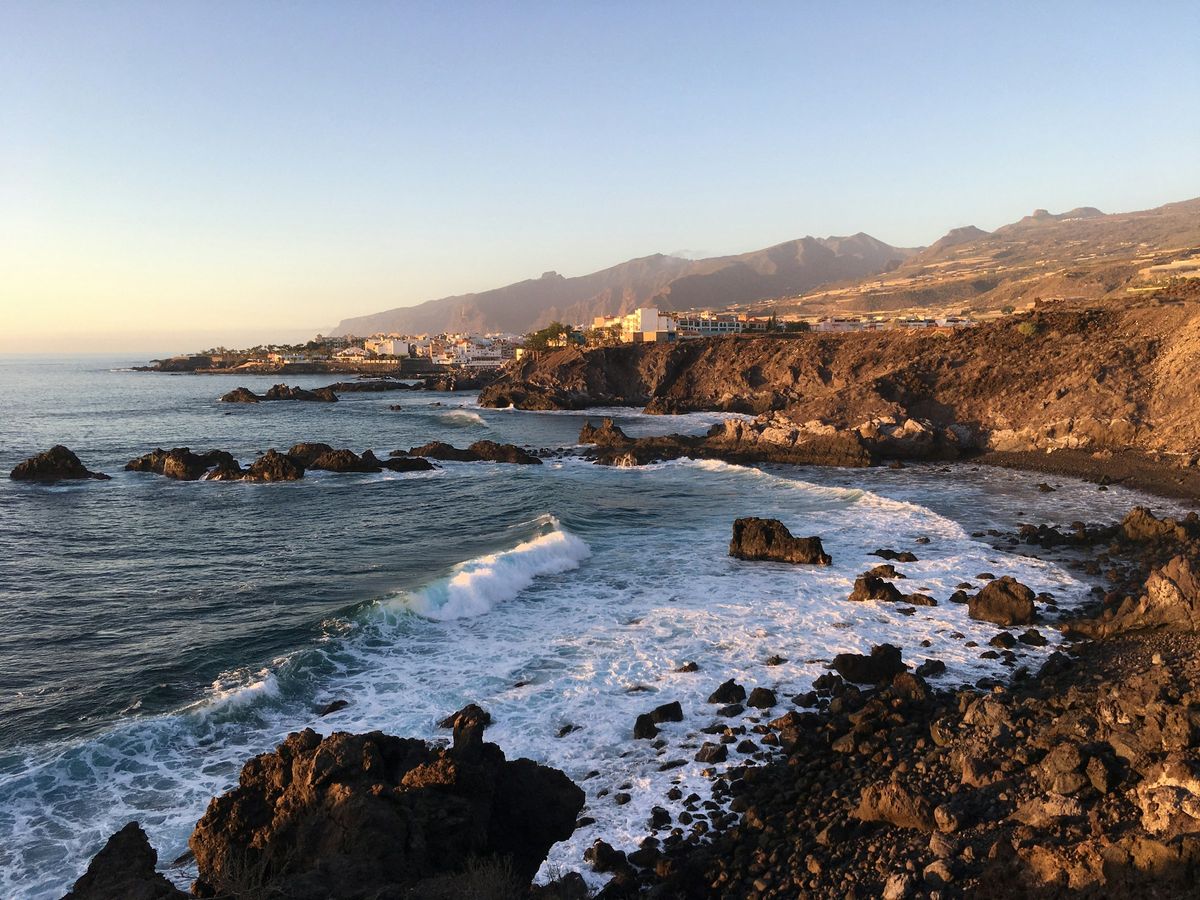
Living in the Canary Islands means spring weather in every month, the ocean on your doorstep and prices below most of mainland Spain’s popular coasts. The islands suit retirees and remote workers who put climate first and accept being a long flight from everywhere else, and a couple can live on roughly €1,800 to €3,100 a month including rent (about $2,050 to $3,550).
| At a glance | The Canary Islands |
|---|---|
| Climate | Coastal highs around 68 to 72°F (20 to 22°C) in winter and 79 to 84°F (26 to 29°C) in summer. Dry and sunny in the south of each island, cloudier and greener in the north |
| Nearest international airport | Tenerife South, Tenerife North and Gran Canaria are the largest. Many European routes; US flights have been limited and seasonal |
| Hospitals | University hospitals on Tenerife and Gran Canaria, a general hospital on each smaller island, and private hospitals in the resort areas |
| Typical rent | €800 to €1,400 a month in the two capital cities (about $920 to $1,600); more in the southern resorts |
| Foreign community | Large, mainly British, German and Scandinavian retirees, plus many remote workers in Las Palmas and Tenerife |
| Language | Spanish only, with no regional language. English is common in the resorts and less so in the cities and the north |
All costs on this page are estimates for early planning. Dollar amounts assume roughly $1.15 to the euro, and that rate moves.
“Canary Islands” is mostly a vacation search. This page is about living there. The islands sit in the Atlantic off the coast of Morocco, about 1,100 miles (1,800 kilometers) southwest of Madrid.
Who it suits, and who it doesn’t
- A good fit: retirees who want no winter, remote workers (the islands run one hour behind mainland Spain, which helps with US hours), surfers, hikers and sailors.
- A harder fit: frequent travelers to the US, people who want big-city culture and seasons, and anyone who needs a local salary.
The islands and where people live
| Place | What it’s like | Rent level |
|---|---|---|
| Las Palmas de Gran Canaria | The largest city in the islands, with a long city beach at Las Canteras and a big remote-work community | Medium to high |
| Southern Gran Canaria (Maspalomas and nearby) | Resort towns with the most sun on the island and many northern European retirees | Medium to high |
| Santa Cruz de Tenerife and La Laguna | A working port capital and a university town joined by a tram. More Spanish, fewer tourists | Medium |
| Puerto de la Cruz and northern Tenerife | Green and cloudier, with a long-established community of older foreign residents | Medium |
| Southern Tenerife (Los Cristianos, Costa Adeje) | The sunniest and most built-up part of Tenerife, with a large British community | High |
| Lanzarote and Fuerteventura | Dry, windy and volcanic, with small towns and beach resorts | Medium |
| La Palma, La Gomera and El Hierro | Small, green and quiet, with few services and few foreigners | Lower |
Cost of living
Daily costs are among the lowest in Spain, helped by a regional sales tax that is well below mainland VAT. Fuel is cheaper than on the mainland. A weekday set lunch (menú del día) runs about €10 to €15. Imported goods and anything ordered online can cost more, because shipments from the mainland and the EU pass through customs.
| Place | Monthly rent, one- or two-bedroom on a long-term lease |
|---|---|
| Southern Tenerife | €1,000 to €1,700 (about $1,150 to $1,950) |
| Las Palmas de Gran Canaria | €850 to €1,400 (about $980 to $1,600) |
| Southern Gran Canaria | €850 to €1,400 (about $980 to $1,600) |
| Santa Cruz de Tenerife and La Laguna | €800 to €1,300 (about $920 to $1,500) |
| Puerto de la Cruz | €800 to €1,300 (about $920 to $1,500) |
| Lanzarote and Fuerteventura | €800 to €1,400 (about $920 to $1,600) |
Check current listings before you rely on these figures. Rents have risen quickly, and long-term apartments are scarce because so many homes are let to tourists. See renting in Spain and the cost of living in Spain.
Healthcare
Tenerife and Gran Canaria each have two large public university hospitals, and each smaller island has a general hospital. Private hospitals in the resort areas are used to foreign patients and often work in English and German. Some specialist treatment means a trip to one of the two main islands or to the mainland. Whether you can use the public system depends on how you are resident. See healthcare in Spain.
Getting there and getting around
The islands are about two and a half to three hours by air from Madrid, with frequent flights to the mainland and to northern Europe. Direct US service has been limited to a seasonal route between Tenerife and the New York area in some recent summers. Routes change, so check the airlines, and plan on connecting through Madrid for most trips home.
Short flights and ferries link the islands. Las Palmas and the Santa Cruz area work without a car. Most other places don’t.
Registered residents get a large discount on flights and ferries between the islands and to the mainland. It covers Spanish and EU citizens and some long-term residents, so Americans on a first visa generally shouldn’t count on it.
Regional taxes
The Canary Islands sit outside the EU’s VAT area and charge their own sales tax, the IGIC, with a general rate far below mainland VAT. Income tax follows the national rules with a regional scale, and the wealth tax applies. The islands also have a low-tax zone for approved companies, which matters to business owners and not to most retirees. These rules change, so have an adviser confirm them. See taxes in Spain.
The downsides
- Distance. Family visits, mainland paperwork and most US trips mean a long flight and often an overnight connection.
- Housing. Vacation rentals have squeezed supply, and there have been large local protests about tourism and rents.
- Microclimates. The north of each island can sit under cloud for days while the south is sunny. Dust from the Sahara (calima) brings haze and heat several times a year.
- Deliveries and choice. Customs slows online orders, and some retailers don’t ship to the islands.
- Limited work. The economy runs on tourism, wages are low and unemployment is high.
- Island life. Some people love the scale. Others feel hemmed in after a year.
How people usually start
- Try two islands, and both sides of each. A month in the north and a month in the south of Tenerife or Gran Canaria are very different experiences.
- Rent before you buy, for at least a year. See buying property in Spain for the purchase process, and ask about the local sales tax on new homes.
- Pick your residency route. Retirees usually apply for the non-lucrative visa, and remote workers for the digital nomad visa. Spain residency requirements compares them.
For islands closer to the mainland, see Mallorca and the Balearic Islands. For mild winters without leaving the peninsula, compare Málaga and the Costa del Sol. The best places to live in Spain covers every region, and a local real estate agent can help you find a long-term rental.
Common questions
How much does it cost to live in the Canary Islands?
The cost of living in the Canary Islands for a couple is roughly €1,800 to €3,100 a month including rent (about $2,050 to $3,550), and a single person spends about two-thirds of that. Rent for a one- or two-bedroom apartment in Las Palmas or Santa Cruz de Tenerife runs roughly €800 to €1,400. These are estimates.
Can Americans live in the Canary Islands?
Yes. The Canary Islands are part of Spain, so Americans can live in the Canary Islands on the same visas as on the mainland, including the non-lucrative visa and the digital nomad visa. Residency there is Spanish residency, and Spanish tax residence rules apply.
What is the cost of living in Tenerife?
The cost of living in Tenerife is similar to the rest of the Canary Islands: roughly €1,800 to €3,100 a month for a couple including rent. The resort towns in the south of Tenerife have higher rents than Santa Cruz, La Laguna or Puerto de la Cruz in the north. These are estimates.
Are the Canary Islands a good place to retire?
The Canary Islands suit retirees who want warm weather in every month, lower sales tax and established foreign communities. The drawbacks of retiring in the Canary Islands are the distance from the mainland and the US, a tight housing market and fewer specialist medical services on the smaller islands.
Sources
This page is general information, not professional advice. Rules and amounts change, and officials apply them differently. Confirm the details with the relevant authority or a qualified professional before you act on them.