Living in northern Spain as an American: Bilbao, San Sebastián, Asturias and Galicia
See what life costs in Bilbao, San Sebastián, Asturias and Galicia, how the northern cities differ, and whether green hills are worth the rain.
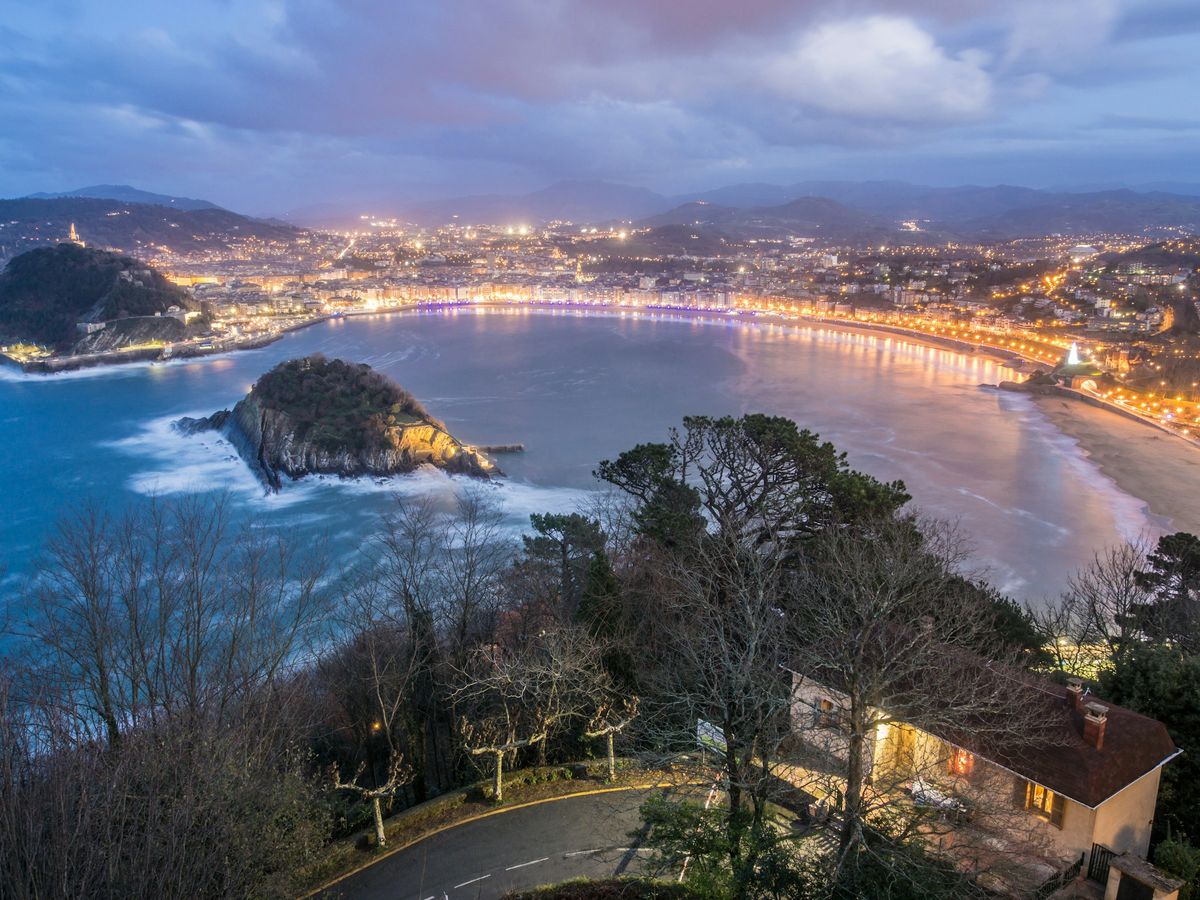
Living in northern Spain means green hills, cool summers, uncrowded cities and some of the best food in Europe. It suits people who would trade guaranteed sunshine for a quieter, more Spanish life, and a couple can live on roughly €1,900 to €3,200 a month in Bilbao including rent (about $2,200 to $3,700), less in Asturias and Galicia.
| At a glance | Northern Spain |
|---|---|
| Climate | Mild summers with highs around 72 to 79°F (22 to 26°C). Cool, wet winters with highs around 54 to 57°F (12 to 14°C). Rain in every month |
| Nearest international airport | Bilbao is the largest, with European routes and limited, seasonal US service. Santiago de Compostela, Asturias and Santander have smaller airports |
| Hospitals | Large public university hospitals in every main city. A small private sector with little English |
| Typical rent | €900 to €1,400 a month in Bilbao (about $1,050 to $1,600); more in San Sebastián, less in Asturias and Galicia |
| Foreign community | Small. Few Americans, and no English-speaking enclaves like those on the southern coasts |
| Language | Spanish every day. Basque and Galician are also official in their regions and used in schools |
All costs on this page are estimates for early planning. Dollar amounts assume roughly $1.15 to the euro, and that rate moves.
The north runs about 400 miles (650 kilometers) along the Atlantic, from Galicia through Asturias and Cantabria to the Basque Country at the French border.
Who it suits, and who it doesn’t
- A good fit: people who dislike heat, walkers and surfers, confident Spanish speakers, and people who want to live among locals.
- A harder fit: anyone moving to Spain for sunshine, people who need services in English, and frequent flyers to the US.
The cities and how they differ
| City | What it’s like | Rent level |
|---|---|---|
| Bilbao | The largest city in the north. A former industrial port rebuilt around its river, with a metro, museums and the region’s main airport | Medium to high |
| Getxo | A coastal suburb of Bilbao on the metro, with beaches and large family homes | High |
| San Sebastián (Donostia) | An elegant resort city on a bay, about 12 miles (20 kilometers) from France, famous for its food | Highest |
| Vitoria-Gasteiz | The Basque capital, inland and flat, with many parks. Colder in winter | Medium |
| Santander | A mid-sized port city in Cantabria with city beaches and a ferry to Britain | Medium |
| Oviedo and Gijón | Asturias’s inland capital and its larger port city, about 18 miles (30 kilometers) apart. Good value | Lower |
| A Coruña and Vigo | Galicia’s two largest cities, both Atlantic ports. Vigo is close to Portugal | Lower |
| Santiago de Compostela | A small university and pilgrimage city, and one of the rainiest in Spain | Lower |
Cost of living
Outside San Sebastián, the north offers good value. Food is a regional pride, and a weekday set lunch (menú del día) runs about €12 to €17 in most cities. Budget for heating: unlike the south, you will use it for five or six months.
| City | Monthly rent, one- or two-bedroom on a long-term lease |
|---|---|
| San Sebastián | €1,100 to €1,900 (about $1,250 to $2,200) |
| Bilbao | €900 to €1,400 (about $1,050 to $1,600) |
| Santander | €750 to €1,200 (about $860 to $1,400) |
| A Coruña and Vigo | €700 to €1,100 (about $800 to $1,250) |
| Oviedo and Gijón | €600 to €950 (about $690 to $1,100) |
Check current listings before you rely on these figures. Santander and the coastal towns fill with Spanish vacationers in July and August, when landlords prefer short rentals. See renting in Spain and the cost of living in Spain.
Healthcare
Public healthcare in the north has a strong reputation within Spain. The main public hospitals include Cruces and Basurto in the Bilbao area, Donostia in San Sebastián, Marqués de Valdecilla in Santander and the university hospitals in Oviedo, A Coruña and Vigo. Private hospitals are fewer than in Madrid or on the Mediterranean coast, and you should expect to speak Spanish with doctors. Whether you can use the public system depends on how you are resident. See healthcare in Spain.
Getting there and getting around
Bilbao’s airport has flights to the main European hubs, and a seasonal route to the New York area began operating in recent years. Routes change, so check the airlines. From everywhere else in the north, trips to the US connect through Madrid or another European hub.
High-speed trains from Madrid now reach Galicia and Asturias in roughly three to four hours. The Basque high-speed line was still under construction at the time of writing, and the train from Madrid to Bilbao takes about four and a half to five hours. Travel along the coast is slow by rail, and most people drive or take buses. The cities themselves are compact and walkable, and Bilbao has a metro.
Regional taxes
The Basque Country and Navarre run their own tax systems. Each Basque province sets its own income, wealth and inheritance tax rules, which differ from the rest of Spain, including the rules for new arrivals. Galicia, Asturias and Cantabria follow the national system with their own regional rates and reductions. If your assets are substantial, ask an adviser who knows the specific province before you choose it. See taxes in Spain.
The downsides
- Rain and gray skies. Winter can bring weeks of drizzle and short days. This is the main reason people leave.
- Language. English is rare, and you will handle doctors, landlords and offices in Spanish.
- Schools in Basque and Galician. Most Basque public schools teach mainly in Basque. International schools are few. See schools in Spain.
- San Sebastián’s prices. Housing there costs as much as in Madrid, with far less of it.
- Few flights. Getting to the US usually takes two flights and most of a day.
- No ready-made community. There are few foreign residents’ groups, so your social life depends on your Spanish and on joining local clubs and classes.
How people usually start
- Visit in February or November, when it is wet and dark, as well as in summer.
- Compare two regions. A week each in the Basque Country and in Asturias or Galicia shows how different they are in cost and character.
- Rent for a year before you consider buying property. Old stone houses in Asturias and Galicia are cheap for a reason: check damp, heating and access.
- Confirm your residency route. The non-lucrative visa and the digital nomad visa work the same way here as elsewhere. Spain residency requirements compares them.
If you want more sun, Barcelona and Valencia are the nearest Mediterranean cities. The best places to live in Spain covers every region, and a local real estate agent can help you find a long-term rental.
Common questions
How much does it cost to live in Bilbao?
The cost of living in Bilbao for a couple is roughly €1,900 to €3,200 a month including rent (about $2,200 to $3,700), and a single person spends about two-thirds of that. Rent for a one- or two-bedroom apartment in central Bilbao runs roughly €900 to €1,400. These are estimates.
Is San Sebastián expensive to live in?
Yes. San Sebastián is one of the most expensive cities in Spain for housing, with rent for a one- or two-bedroom apartment at roughly €1,100 to €1,900 a month on our estimates. Eating out in San Sebastián also costs more than in most Spanish cities. Bilbao, an hour away, is noticeably cheaper.
Do I need to speak Basque or Galician to live in northern Spain?
No. Spanish is enough for daily life everywhere in northern Spain. Basque and Galician are official languages in their regions and are used in public schools and regional government, so they matter most for families with children. Very little English is spoken outside hotels and universities.
How much does it rain in northern Spain?
It rains in every month in northern Spain, and the north coast receives several times the annual rainfall of Madrid or the Mediterranean coast. Summers in northern Spain are mild, with highs around 72 to 79°F (22 to 26°C), and winters are cool, gray and wet but rarely freezing on the coast.
Sources
This page is general information, not professional advice. Rules and amounts change, and officials apply them differently. Confirm the details with the relevant authority or a qualified professional before you act on them.